

Introduction: Why Ottawa Small Businesses Need a Strategic Website
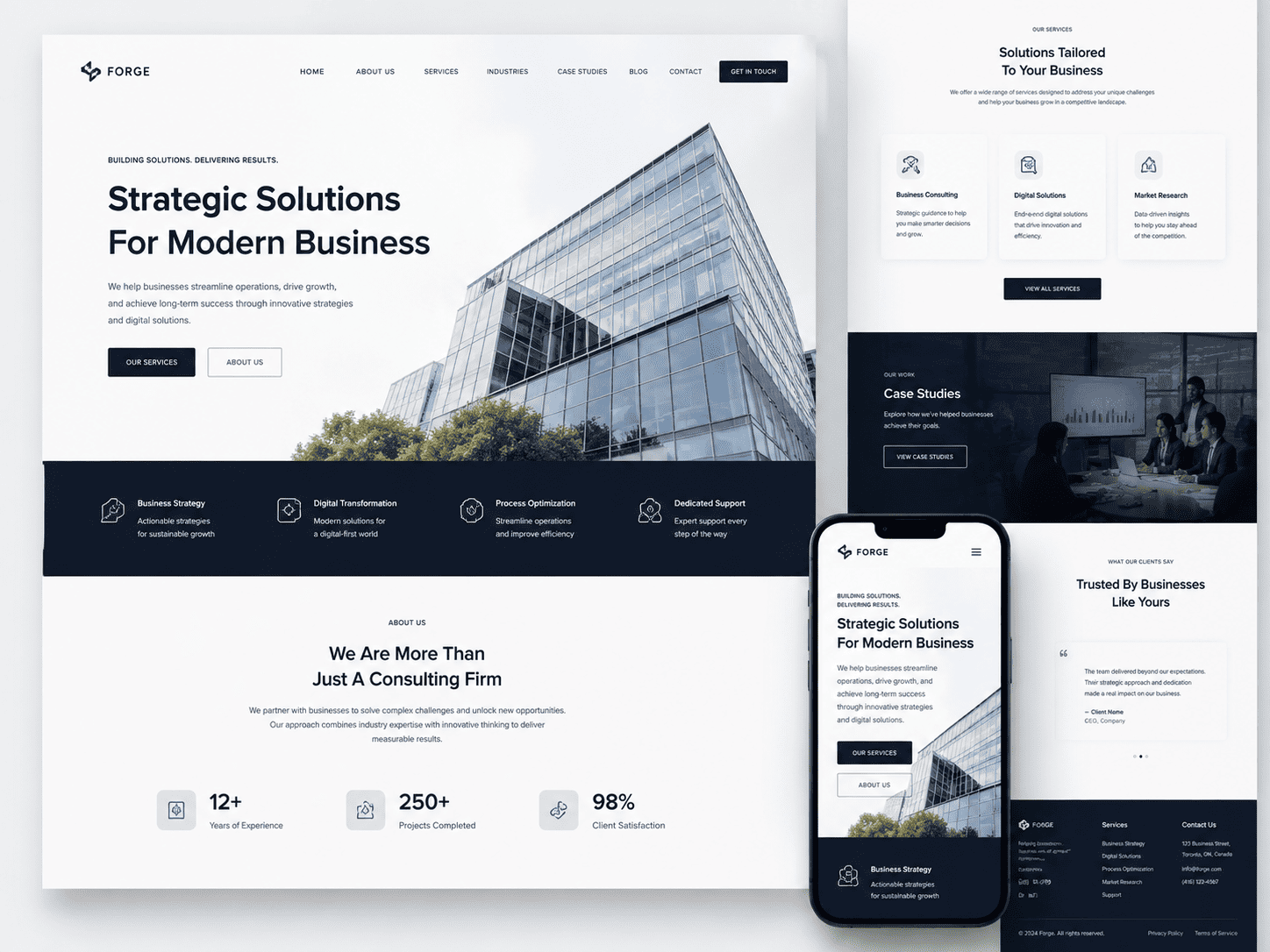
For small businesses in Ottawa, the website is no longer a passive digital brochure that simply lists your hours and phone number. It is a 24/7 sales representative, a trust signal for discerning local customers, and a self-service hub that answers questions before they ever reach your inbox. In a market as competitive as the National Capital Region—where federal employees, tech professionals, and local shoppers routinely compare options online before stepping into a storefront—your website determines whether you win that first impression or lose it to a competitor with a faster, clearer, and more credible online presence.
The challenge for Ottawa SMBs is not a lack of effort. Many owners invest in a website, only to discover that a pretty homepage does not generate leads, rank on Google Maps, or convert visitors into paying customers. The difference between a successful site and a costly mistake lies in strategy, not aesthetics. A strategic website is built around your business goals, your customer’s decision-making journey, and the specific realities of the Ottawa market—from bilingual considerations to neighbourhood-level search intent.
The Role of Your Website in Local Customer Decisions
When a potential customer in Ottawa searches for “plumber near me,” “boutique fitness class,” or “law firm in Kanata,” they are not just looking for a list of services. They are evaluating three things within seconds:
- Credibility: Does this business look established, professional, and trustworthy? A dated design or broken mobile layout signals neglect.
- Relevance: Does the site clearly state what you offer, for whom, and in which Ottawa neighbourhoods you operate?
- Actionability: Can the visitor call, book, or request a quote without hunting for contact information?
Local customers often make a decision within the first five minutes of visiting a site. If they cannot immediately verify your service area, read a clear service description, or find a visible phone number, they will bounce back to search results and choose a competitor. A strategic website anticipates these questions and answers them in order of priority, guiding the visitor toward a conversion—whether that is a phone call, a contact form submission, or an online booking.
Common Pitfalls Ottawa SMBs Face with DIY or Template Sites
DIY builders and generic templates are tempting because they promise low cost and speed. However, they often create problems that cost more to fix later. The most frequent pitfalls observed among Ottawa small businesses include:
| Pitfall | Why It Hurts Your Business |
|---|---|
| No local SEO structure | Your site may look fine but never appears in “near me” searches because it lacks local schema, neighbourhood pages, or proper title tags. |
| Mobile responsiveness treated as an afterthought | Over 60% of Ottawa visitors will use a phone. A cramped, slow-loading mobile version drives away potential customers immediately. |
| Generic stock imagery and vague copy | Visitors cannot tell if you serve Ottawa or Ohio. Local photos and specific language build immediate trust. |
| No clear conversion path | Beautiful pages without a prominent call-to-action leave visitors unsure of what to do next—so they do nothing. |
| Ignoring bilingual or cultural context | Ottawa is a bilingual city. A site that only offers English may alienate a significant portion of your addressable market. |
These issues are not cosmetic. They directly affect your ability to rank, convert, and retain customers. A template does not know your business, your customer, or your competitive landscape.
How This Guide Helps You Plan, Budget, and Execute
This guide is designed to move you from guesswork to a clear roadmap. You will learn how to define the strategic purpose of your website before a single design decision is made. You will see a realistic breakdown of costs—not just the upfront build, but the ongoing maintenance, hosting, and content updates that keep your site secure and current. Finally, you will understand what to expect during a professional web design process in Ottawa: discovery calls, content strategy, design mockups, development sprints, and post-launch support.
By the end, you will be able to speak confidently with a designer or agency, ask the right questions, and avoid the common traps that waste time and money. Whether you are launching a new business or overhauling an outdated site, a strategy-first approach ensures your website becomes a measurable asset—not an expense. The goal is not just to have a website, but to have the right website for your Ottawa customers.
Understanding Your Business Goals Before Design
Many Ottawa business owners approach web design with a focus on colors, fonts, and imagery. While visual appeal matters, a website that does not convert visitors into paying customers is merely an expensive digital brochure. Effective web design begins with a clear-eyed assessment of your business objectives. Before a single wireframe is sketched, you must answer three foundational questions: Who are you trying to reach? What should they do when they arrive? And how will you measure success?
For small businesses in the National Capital Region, this strategic foundation is especially critical. Your website competes not only with other local firms but also with larger national players who have deeper marketing budgets. A goal-driven design gives you a distinct advantage: clarity. Every page, button, and call-to-action should serve a specific purpose that ties directly back to your revenue streams and operational capacity.
Defining Your Primary Conversion Goals (e.g., Calls, Quotes, Sales)
A conversion is any desired action a visitor takes. For Ottawa small businesses, these goals vary dramatically by industry. A law firm might want phone calls; an e-commerce boutique wants completed checkouts; a home renovation contractor wants quote requests. Trying to optimize for every possible action dilutes your message and confuses visitors. Instead, choose one primary conversion goal for your entire site, and then assign secondary goals to specific pages.
Consider these common conversion types for Ottawa businesses:
- Phone calls: Ideal for service providers (plumbers, electricians, consultants) where trust is established through conversation.
- Quote or estimate requests: Common for B2B services, construction, or custom manufacturing, where pricing is project-based.
- Online sales: Necessary for retail, food delivery, or digital products, requiring a robust e-commerce backend.
- Newsletter sign-ups: Useful for building an audience, but rarely a primary goal unless your revenue depends on email marketing.
- Appointment bookings: Perfect for clinics, salons, and professional services that operate on a schedule.
Once you define your primary goal, every design decision follows. For example, if calls are your goal, your phone number must be clickable in the header, appear in the footer, and be repeated above the fold on mobile. If quote requests are primary, your forms should be short—asking only for name, contact, and project details—to reduce friction. If sales are the goal, product pages need prominent “Add to Cart” buttons and a streamlined checkout process.
Mapping User Journeys for Local Customers and Service Areas
Ottawa is a geographically diverse city with distinct neighborhoods—from the ByWard Market to Barrhaven, Kanata, and Orleans. Your website must reflect how local customers search and behave. A user journey is the path a visitor takes from landing on your site to completing your primary conversion goal. For local businesses, this journey often starts with a search like “best Ottawa web designer” or “emergency plumber near me.”
Map out at least three distinct user journeys before design begins:
| User Type | Entry Point | Desired Path | Conversion |
|---|---|---|---|
| Local residential customer | Google search (mobile) | Homepage → Services → Testimonials → Contact form | Request a quote |
| Commercial client in Kanata | LinkedIn or referral | Homepage → About → Case studies → Call | Phone inquiry |
| Tourist or visitor | Social media ad | Landing page → Menu → Booking widget | Reserve a table |
For each journey, define the service areas you cover. If you only operate within Ottawa city limits, do not waste design space on “serving all of Ontario.” Instead, embed a location-specific map, list neighborhoods you serve, and include local schema markup. This helps search engines understand your geographic relevance and improves your chances of appearing in the local map pack.
Aligning Design with Your Brand Positioning in the Ottawa Market
Ottawa’s market has unique characteristics. It is a government town, but also a hub for tech (Shopify, Klipfolio), healthcare, and tourism. Your brand positioning—how you differentiate from competitors—must be visually and verbally consistent across your website. Design is not decoration; it is a communication tool that signals your price point, reliability, and personality to local audiences.
Consider these positioning examples:
- Federal contractor: Use clean, conservative layouts with clear compliance badges, case studies, and formal language.
- Boutique retail in Westboro: Emphasize lifestyle photography, warm colors, and storytelling that appeals to local shoppers.
- Tech startup in Kanata: Prioritize modern typography, interactive elements, and data-driven visuals to convey innovation.
Your design should also reflect the trust signals that matter to Ottawa consumers. Include visible testimonials from local clients, mention your years of operation in the region, and display any relevant certifications (e.g., BBB accreditation, professional association memberships). The tone of your copy—whether formal or conversational—must match the visual style. A mismatched website, such as playful fonts for a legal firm, creates cognitive dissonance and reduces conversion rates.
Finally, establish your key performance indicators (KPIs) before launch. For a call-driven business, track click-to-call rates. For quote forms, monitor submission volume and abandonment. For e-commerce, measure cart abandonment and average order value. Set baseline targets and review them monthly. Without these metrics, you cannot know if your design strategy is working or where to iterate. Start with goals, map the journeys, and align every pixel to your market position—then your website becomes a true business asset, not just an online presence.
Essential Strategy Components for Ottawa SMB Websites
For a small business in Ottawa, a website is not a digital brochure; it is a conversion engine. The difference between a site that merely exists and one that generates calls, bookings, or foot traffic lies in strategic structure. Before any visual design work begins, four pillars must be aligned: a clear value proposition, visible trust signals, technical local SEO foundations, and a deliberate content hierarchy. Without these, even the most beautiful site will fail to answer the two questions every visitor silently asks: “Can you solve my problem?” and “Why should I trust you over the competitor three blocks away?”
Crafting a Compelling Homepage Narrative and Call-to-Action
Your homepage has roughly 5–8 seconds to establish relevance. The narrative must follow a strict arc: identify the visitor’s pain point, present your specific solution, and then guide them to a single, unambiguous next step. Avoid generic hero lines like “Welcome to Our Company” and instead use a value proposition that mentions your Ottawa location and core benefit—for example, “Emergency HVAC repair in Kanata, on-site within 90 minutes.”
The call-to-action (CTA) should be singular and repeated. A common mistake is offering five equally weighted buttons (Services, About, Contact, Portfolio, Blog). Instead, choose one primary action per page—typically “Get a Free Quote” or “Book a Consultation”—and place it in the header, mid-page, and footer. Secondary actions (e.g., “View Our Work”) can exist but must be visually subdued. Each CTA button should use action-oriented copy that reduces friction: “See Availability” outperforms “Submit.”
Building Trust with Reviews, Certifications, and Local References
Ottawa consumers are notably research-driven; they will check Google reviews, Better Business Bureau (BBB) accreditation, and industry certifications before making contact. Your website must surface these elements above the fold or within the first two scrolls. Do not hide testimonials in a separate page. Instead, embed a rotating review widget on the homepage, ideally near the CTA, with specific references to Ottawa neighbourhoods (e.g., “We serviced a townhouse in Barrhaven last week—quick and tidy work.”).
Certifications matter differently by industry. For a construction firm, show WSIB clearance and Red Seal endorsements. For a law practice, display Law Society of Ontario membership. For a retail store, highlight local business awards or Chamber of Commerce membership. A trust bar with logos (e.g., “Certified by the Ottawa Construction Association”) can be placed directly under the hero section. Also include a physical address—not just a P.O. box—and a local phone number, as these are trust signals that also reinforce local search rankings.
Integrating Local SEO Basics: Keywords, Schema, and Google Business Profile
Local SEO for Ottawa SMBs is not about stuffing “Ottawa” into every paragraph. It requires three technical and content-based integrations that work in tandem. First, keyword research must target transactional phrases with geographic modifiers: “plumber in Nepean,” “boutique graphic designer near ByWard Market,” or “Ottawa wedding photographer.” These should appear naturally in title tags, H1s, and the first 100 words of key service pages—not in footer text.
Second, structured data markup (schema.org) must be implemented. The most critical types are LocalBusiness (or subtype like Plumber or Restaurant) and Review schema. LocalBusiness schema provides search engines with your exact name, address, phone number (NAP), business hours, and service area. Review schema enables star ratings to appear in search results, which dramatically improves click-through rates. This is a technical task best handled by a developer or an SEO-aware web designer.
Third, your website must link seamlessly to an optimized Google Business Profile (GBP). The site should include a prominent “Find Us on Google” link, and the NAP details on the site must exactly match the GBP listing. Consistency is non-negotiable; a misspelled street name or a different phone format confuses both Google and users. Embed a Google Map on the contact page, and encourage customers to leave reviews directly via a shortened GBP link.
The following table summarizes how these three local SEO components interact across different pages of your site:
| SEO Component | Primary Placement | Primary Function | Example for Ottawa SMB |
|---|---|---|---|
| Local Keywords | Title tags, H1s, service page copy | Match user search intent | “Emergency dentist in Orleans” |
| Schema Markup | Site-wide header code | Provide machine-readable business data | LocalBusiness schema with geo-coordinates |
| Google Business Profile | Contact page + footer link | Drive map pack rankings and reviews | Embedded map with real-time review feed |
Content hierarchy then follows a logical order: service pages should be written for one primary keyword each, with supporting secondary keywords in subheadings. The homepage should not try to rank for everything; it should rank for your brand name and one broad local term. By aligning narrative, trust, and technical foundations, your Ottawa website will not just look professional—it will actively convert local searches into paying customers.
Core Web Design Features That Drive Results
For small businesses in Ottawa, a website must do more than look professional—it must convert visitors into paying customers while respecting a tight budget. Prioritizing the right functional and design features ensures every dollar spent contributes directly to user experience and revenue generation. Below are the non-negotiable elements that balance performance with affordability.
Mobile-First Responsive Design and User Experience (UX) Best Practices
Over half of local searches for services like “plumber near me” or “Ottawa boutique” happen on smartphones. A mobile-first approach means designing for the smallest screen first, then scaling up—not the reverse. This strategy forces clarity: single-column layouts, thumb-friendly navigation, and tap targets of at least 44×44 pixels. For a small business, this eliminates the need for a separate mobile site, reducing maintenance costs.
- Streamlined menus: Use a hamburger icon with only five to seven primary links. Avoid dropdowns that frustrate touch users.
- Click-to-call buttons: Place your phone number in the header and footer, styled as a prominent button on mobile.
- Local SEO integration: Embed a Google Maps iframe and your full address in the footer—not hidden in a contact page—to boost local pack rankings.
UX best practices extend to desktop too. Keep paragraphs under 50 words, use descriptive subheadings, and place your primary call-to-action (e.g., “Book a Free Consultation”) above the fold on every key page.
Fast Loading Speeds and Performance Optimization
Ottawa customers expect instant answers. A delay of even three seconds increases bounce rates by roughly 40%—and for a small business, that means lost calls and walk-ins. Performance optimization does not require a developer’s budget. Start with these practical steps:
- Compress images: Use modern formats like WebP and keep file sizes under 150 KB for hero images. Tools like Squoosh are free.
- Enable caching: Browser caching stores static files locally, so repeat visitors load your site nearly instantly.
- Minify code: Remove unnecessary spaces, commas, and comments from CSS and JavaScript files. Many hosting panels offer one-click minification.
For WordPress or similar platforms, a lightweight theme and a caching plugin (e.g., WP Rocket or LiteSpeed Cache) are low-cost investments. Test your speed using Google’s PageSpeed Insights—aim for a score above 90 on mobile. If you use a shared server, consider upgrading to a CDN (Content Delivery Network) like Cloudflare’s free tier to serve content from servers closer to Ottawa users.
Accessibility and Usability for All Visitors, Including Those with Disabilities
Accessibility is not just ethical—it is a legal requirement under the Accessibility for Ontarians with Disabilities Act (AODA). For small businesses, non-compliance risks fines and, more importantly, alienates a significant customer segment. Core features include:
- Proper heading hierarchy: Use one H1 per page, followed by H2s and H3s in order. Screen readers rely on this structure.
- Alt text for images: Describe the image’s purpose, not just its content. For example, “Ottawa bakery display of sourdough loaves” is better than “bread.”
- Keyboard navigation: Ensure all links, forms, and buttons can be accessed using the Tab key. Add visible focus outlines (e.g., a blue border) so users know where they are.
- Color contrast: Text must have a contrast ratio of at least 4.5:1 against its background. Avoid using color alone to convey meaning—pair it with icons or text labels.
A practical example for developers or DIY site owners: add an ARIA label to your search form to help screen reader users.
<form role="search" aria-label="Site search">
  <input type="search" placeholder="Search services...">
  <button type="submit">Search</button>
</form>
Usability goes beyond compliance. Test your site with real users, including those using voice control or magnification tools. Simple adjustments—like ensuring forms have clear labels and error messages with suggestions—improve experience for everyone, from a busy parent to a senior citizen. For Ottawa small businesses, these features build trust, reduce support calls, and directly support long-term growth without requiring a large upfront investment.
Content Strategy and Copywriting for Ottawa Audiences
In small business web design, content is the structural foundation of both user engagement and search visibility. While visual design captures attention, well-crafted copy retains visitors, builds trust, and signals relevance to search engines. For Ottawa businesses, this means moving beyond generic “we are a local company” statements. Instead, your website must demonstrate an intimate understanding of the city’s distinct neighbourhoods, economic drivers, and seasonal rhythms. Search engines like Google reward content that answers specific queries with depth and locality. A beautiful page with thin, generic text will rank poorly and fail to convert. Conversely, a straightforward design paired with strategic, localized copy can outperform a flashy competitor. When planning your Ottawa web design project, allocate at least as much budget and time to copywriting as you do to layout and imagery.
Writing for Local Search: Keywords, Neighborhoods, and Landmarks
Local SEO begins with natural language that reflects how Ottawa residents actually search. Avoid stuffing “Ottawa web design” into every paragraph. Instead, integrate neighbourhood and landmark references where they make contextual sense. A landscaping company, for example, benefits from mentioning “soil conditions in the Glebe” or “lawn care for Barrhaven’s new subdivisions” rather than repeating “Ottawa landscaping” five times. Use a simple keyword mapping approach:
- Primary keyword: “plumber in Ottawa” – use in title, H1, and first paragraph once.
- Secondary keywords: “emergency plumber Nepean,” “water heater repair Kanata” – use in service page headings and body copy.
- Geo-modifiers: “near Rideau Canal,” “off Bank Street,” “serving Orleans and Cumberland” – use sparingly in descriptive sentences.
Write for a reader who knows Ottawa. Mention the Queensway (Highway 417) for traffic-related services, or the LRT stations for accessibility-focused businesses. When referencing landmarks, ensure they are permanent and well-known, such as the ByWard Market, Lansdowne Park, or the Ottawa River. Avoid transient references like “near the new condo development.” Each localized mention should read as a natural part of the sentence, not an awkward insertion. This approach improves click-through rates because users see their specific area reflected in search results.
Developing Service Pages That Answer Customer Questions
Service pages are your highest-converting content, yet many Ottawa small businesses treat them as feature lists. Instead, structure each service page around the real questions customers ask before hiring you. Start with a short paragraph that defines the service and its primary benefit. Then, use subheadings or bullet points to address common concerns such as pricing transparency, timelines, insurance, and service area. For instance, a roofing company in Ottawa should answer: “What happens if it rains during my roof replacement?” and “Do you handle insurance claims for hail damage common in the west end?” This directly addresses local pain points like freeze-thaw cycles damaging flat roofs on old Centretown buildings.
Include a table for complex pricing or service comparisons when helpful. A cleaning service could list “Standard cleaning vs. deep cleaning” with columns for frequency and included tasks. Ensure every service page ends with a clear call to action, such as “Request a free quote for your Orleans home” rather than a generic “Contact us.” This specificity reassures visitors that you serve their exact location and understand their needs. Answering questions on-page also reduces bounce rates and positions you as the authoritative source before a visitor ever picks up the phone.
Blogging and Resources to Establish Authority and Attract Organic Traffic
A blog is not a vanity feature; it is a long-term SEO asset that captures the hundreds of long-tail searches your service pages miss. For Ottawa small businesses, publish content that addresses seasonal, regulatory, or community-specific topics. Examples include “How to prepare your cottage for an Ottawa Valley winter,” “New fire code requirements for Kanata restaurants,” or “The cost of renovating a Centretown heritage home.” Each article should target a specific question with actionable advice, not just promotional fluff.
Develop a content calendar around four pillars: seasonal maintenance, local news or events, how-to guides, and case studies of your Ottawa projects. A law firm might write about “What the new Ontario rental rules mean for Landlords in Sandy Hill.” A bakery could publish “Where to find the best local flour in Ottawa for sourdough.” These posts attract organic traffic from people searching for that exact topic, and they demonstrate your expertise to both users and search engines. Over time, a library of 20–30 well-written, localized articles can generate more leads than a single expensive ad campaign. Remember to interlink each blog post to relevant service pages, using anchor text like “our residential electrical services in Barrhaven” to pass authority and guide users deeper into your site. Consistency matters more than frequency—publish one quality post per month rather than weekly fluff.
Website Cost Breakdown for Ottawa Small Businesses
For a small business in Ottawa, investing in a professional website is not a one-size-fits-all expense. The final price depends heavily on your goals, the number of pages, required functionality (like e-commerce or booking systems), and whether you choose a template or a fully custom build. The figures below are realistic estimates based on current market rates in the National Capital Region, but they are not quotes. Actual costs vary by agency, freelancer, and project scope. Always request detailed proposals from at least three providers before committing.
Typical Price Ranges for Template vs. Custom Design Projects
The most significant cost driver is whether you start from a pre-built theme or design from scratch. A template project uses a premium theme (often WordPress, Squarespace, or Webflow) that is customized with your branding, content, and plugins. This is faster and cheaper but limits structural flexibility. A custom design involves a designer creating a unique layout from a blank canvas, tailored to your specific user journey and brand personality. It costs more but offers complete control and originality.
| Project Type | Scope (Typical Small Business) | Estimated Investment (CAD) |
|---|---|---|
| Template + setup | 5–10 pages, basic contact form, mobile responsive, DIY content | $1,500 – $4,000 |
| Template + professional customization | 10–15 pages, custom graphics, SEO setup, advanced integrations (e.g., CRM, booking) | $4,000 – $8,000 |
| Custom design (freelancer) | 10–15 pages, unique UI, content migration, basic CMS training | $7,500 – $15,000 |
| Custom design (agency) | 15+ pages, full UX research, custom functionality, ongoing support package | $15,000 – $30,000+ |
These ranges assume you provide the text and images. If you need professional copywriting or photography, add 20–30% to the project cost. E-commerce functionality (shopping cart, payment gateway, product management) typically adds $2,000–$8,000 regardless of template or custom route.
Ongoing Costs: Hosting, Domain, Maintenance, and Updates
Your website is never a one-time purchase. After launch, you will face recurring annual or monthly costs. Budget for these from day one to avoid surprises.
- Domain name: $15–$30 per year (e.g., yourbusiness.ca). Premium domains cost more.
- Web hosting: Shared hosting (sufficient for most small businesses) costs $10–$40 per month. Managed WordPress hosting with better security and speed runs $30–$100 per month.
- SSL certificate: Often included free with hosting, but if purchased separately, expect $50–$150 per year.
- Maintenance plan: Most Ottawa agencies or freelancers charge $75–$250 per month for updates, backups, security monitoring, and minor content changes. This is optional but highly recommended.
- Software licenses: Premium themes and page builders often require annual renewals ($50–$300 per year).
For a basic template site, plan on $500–$1,200 per year in ongoing costs. For a custom site with a maintenance retainer, budget $1,500–$3,500 per year.
Hidden Costs to Watch For: Plugins, Stock Imagery, and Third-Party Tools
Many Ottawa small business owners overlook costs that appear only after the design phase begins. Be proactive and ask your provider about these line items before signing a contract.
- Premium plugins: Free plugins may lack features you need. A single premium plugin (e.g., advanced forms, SEO suite, security firewall) costs $50–$200 per year. If your site needs three to five plugins, that adds up.
- Stock imagery: Free stock photo sites have limited selection. High-quality, licensed images from Shutterstock or Adobe Stock cost $10–$50 per image. A 10-page site might need 20 images, adding $200–$1,000 to your budget.
- Third-party tools: Email marketing (e.g., Mailchimp), analytics (e.g., GA4), or customer support chat tools often have free tiers, but paid tiers start at $20–$50 per month. If your developer integrates a tool that requires a paid plan, you pay that monthly fee indefinitely.
- Content migration: Moving content from an old website or PDFs into your new CMS is time-consuming. Some designers include this; others charge $500–$2,000 extra.
- Post-launch training: Learning to edit your own site is valuable. A 2-hour training session costs $150–$400 if not bundled.
A practical example: If your developer recommends a premium form plugin that sends notifications to your email and a third-party appointment scheduler that integrates with your calendar, you might pay $180/year for the plugin and $30/month for the scheduler. That is $540/year in hidden recurring costs that were not in the initial design quote. Always ask for a full list of every plugin and third-party service with its license fee before work begins.
Finally, for a quick technical check on your current site’s performance (which may inform your redesign scope), you can use a command-line tool like curl -s -o /dev/null -w "%{http_code} %{time_total}" https://yourwebsite.ca — this returns the HTTP status and load time in seconds. But for cost planning, rely on written proposals and itemized estimates, not guesswork.
What to Expect from the Web Design Process
For Ottawa business owners, a web design project can feel like a leap of faith—especially if you’ve never managed one before. The good news is that a structured process removes most of the guesswork. While every agency or freelancer has its own flavour, you should expect a clear sequence of phases, each with defined deliverables and decision points. Here is a realistic walkthrough of the journey from first kickoff to post-launch support, so you know exactly what to prepare and how to collaborate effectively.
Discovery and Planning: Workshops, Questionnaires, and Site Maps
This first phase is about alignment, not aesthetics. You’ll start with a discovery workshop—often a 90-minute virtual or in-person session where the design team asks about your business goals, target customers, and competitive differentiators. Expect to complete a detailed questionnaire covering your services, pricing, and any must-have features like online booking, e-commerce, or multilingual content. Don’t skip these; your answers directly shape the project’s direction.
From that input, the team will build a sitemap—a hierarchical outline of every page, from homepage to contact. This is not a design mockup; it’s a logic map that ensures visitors can find what they need in three clicks or fewer. You’ll review and approve the sitemap before any visual work begins. Your key role here is to be honest about your customers’ pain points and your own operational limits (for example, if you can’t update a blog weekly, say so now).
Design, Development, and Content Integration Milestones
Once the sitemap is approved, the project splits into two parallel tracks. On the design side, you’ll receive wireframes (low-fidelity layouts) first, followed by high-fidelity mockups for your homepage and one or two inner pages. On the development side, your team will set up a staging server—a private, password-protected preview of your site. Here is where content integration happens: your text, images, videos, and product listings are placed into the templates.
- Milestone 1: Wireframes approved (typically 1–2 weeks after discovery).
- Milestone 2: Visual design mockups approved (2–3 weeks after wireframes).
- Milestone 3: Staging site live with placeholder content (3–4 weeks into development).
- Milestone 4: Full content integrated and reviewed by you (1–2 weeks before launch).
Your collaboration during this phase matters most. Provide feedback in written, consolidated notes—not scattered emails. Prioritize “must-fix” issues over personal style preferences. And submit your final content (including high-resolution photos of your Ottawa storefront or team) by the agreed deadline to avoid delays.
Testing, Launch, and Post-Launch Support and Training
Before going live, the site undergoes rigorous testing. This includes cross-browser checks (Chrome, Safari, Firefox), mobile responsiveness tests on actual devices, form submissions, payment gateway sandbox tests, and page speed optimization. You’ll receive a test checklist to verify key user flows—like requesting a quote or purchasing a product—from your own perspective. After you sign off, the developer will migrate the site to your live domain, configure SSL certificates, and submit your sitemap to Google Search Console.
Post-launch, you’re not left alone. Most Ottawa web design packages include 30 days of bug fixes and a training session—either recorded video or live—where you learn to edit text, upload images, and manage blog posts using your CMS. Ask for a simple handover document with login credentials, hosting details, and the name of your technical contact. After that first month, ongoing maintenance (backups, security updates, and plugin patches) is usually available as a monthly retainer. Plan for a quarterly content review to keep your site fresh and aligned with your evolving business goals.
Choosing the Right Web Design Partner in Ottawa
Selecting a web design partner in Ottawa is not merely about finding someone who can build a visually appealing site. It is about finding a strategic collaborator who understands your business objectives, your target audience, and the unique competitive landscape of the National Capital Region. The right partner will translate your goals into a functional, conversion-focused website that serves as a long-term asset—not just a digital brochure.
Before you begin your search, define what success looks like for your business. Are you seeking lead generation, e-commerce sales, or increased foot traffic to a physical location? Your answer will shape every decision, from the technology stack to the content strategy. A capable Ottawa-based designer or agency will ask about these goals first; if they lead with colour schemes and fonts before discussing your business model, consider that a warning sign.
Questions to Ask Before Hiring a Web Designer or Agency
Your initial consultation should be a two-way interview. Beyond asking about timelines and pricing, probe their process and their ability to deliver results. Use these questions as a starting point:
- How do you align design with my business objectives? Listen for specific examples of how they have used design to solve a business problem, not just to create a pretty layout.
- Who will be my primary point of contact? Clarify whether you will work directly with a senior designer or with a project manager who relays information to a larger team.
- What is your process for content integration? Will they provide copywriting support, or must you supply all text and images? Unclear content responsibilities frequently cause project delays.
- How do you handle post-launch support and maintenance? Understand the difference between a one-time build and an ongoing partnership for updates, security patches, and performance monitoring.
- Can you provide references from businesses in similar industries or service areas? A partner familiar with Ottawa’s bilingual clientele or local regulatory environment may offer unexpected advantages.
Reviewing Portfolios for Strategy, Not Just Aesthetics
A portfolio demonstrates technical skill, but it rarely reveals strategic thinking. When reviewing a designer’s past work, look beyond the visuals and ask what the website was designed to achieve. Examine each case study for evidence of clear calls to action, logical user journeys, and mobile responsiveness. A site that looks stunning on a desktop but fails on a smartphone will hurt your search rankings and frustrate local customers.
Request specific examples of how they handled challenges similar to yours. For instance, if you run a service-based business in Kanata or a retail store in ByWard Market, ask how they structured navigation to drive phone calls or in-store visits. Also, evaluate their understanding of local SEO—does their work show evidence of optimizing for “Ottawa” or “Nepean” search terms, embedding Google Maps, or creating location-specific landing pages?
Red Flags to Avoid: Vague Contracts, Unclear Ownership, and Poor Communication
Three warning signs should immediately disqualify a candidate. First, a vague contract that does not specify deliverables, revision limits, or a concrete timeline invites scope creep and unexpected costs. Insist on a detailed written agreement before any deposit is paid. Second, unclear ownership terms are non-negotiable. You must own your domain name, hosting account, and all website files outright. If the designer retains ownership of the code or registers the domain in their name, you risk losing your digital presence if the relationship ends. Third, poor communication during the sales process almost guarantees poor communication during the project. If they take days to reply to initial emails or give evasive answers to direct questions, move on.
| Criterion | Freelance Designer | Full-Service Agency |
|---|---|---|
| Cost model | Typically lower hourly or project rate; may lack bundled services | Higher overall fee but often includes strategy, copywriting, and SEO |
| Accountability | Single point of contact; dependent on one person’s availability | Team-based with defined roles; more resilient to staff turnover |
| Project scope | Best for small sites with clear requirements and limited integrations | Suitable for complex builds, e-commerce, and ongoing marketing alignment |
| Communication | Direct and personal, but may slow during peak periods | Structured updates via project management tools; may feel less personal |
| Local nuance | Often deeply embedded in Ottawa’s small business community | May serve larger regional or national clients; local expertise varies |
Ultimately, choose a partner who demonstrates curiosity about your operations, asks intelligent questions about your customers, and provides clear, contractual answers about ownership and deliverables. The right investment in strategy and communication will yield a website that performs for years, not just one that launches on time.
Measuring Success and Iterating After Launch
Launching your small business website in Ottawa is not the finish line—it’s the starting point for data-driven growth. Without measurement, you’re guessing which pages resonate, which calls-to-action convert, and where visitors drop off. The goal is to turn raw traffic into actionable intelligence that directly supports your business objectives, whether that’s booking consultations, generating quote requests, or selling products online. Iteration based on real user behavior separates a static brochure from a dynamic lead-generation tool.
Setting Up Google Analytics and Search Console for Actionable Insights
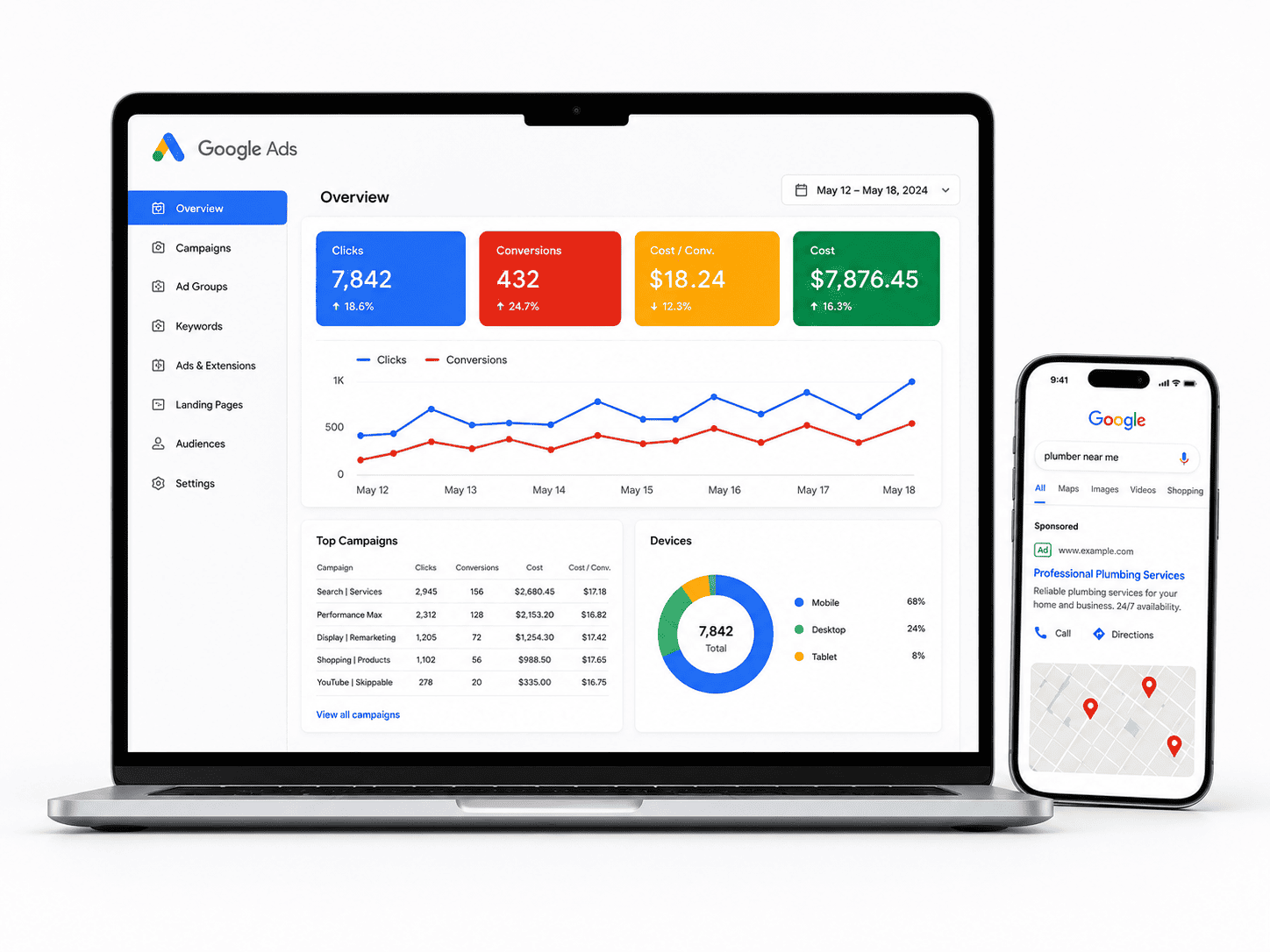
Begin with two free, essential tools: Google Analytics 4 (GA4) and Google Search Console (GSC). GA4 tracks user behavior on your site, while GSC reveals how your pages appear in search results and which queries drive impressions. To link them effectively, first verify your domain in GSC, then connect it to GA4 under Admin → Property → Search Console Links. This integration allows you to see which search terms lead to engaged sessions.
For GA4, ensure you’re tracking key events (conversions) like form submissions, phone clicks, or button clicks. A simple way to test your setup is to use the preview mode in GA4 or run a basic tag via Google Tag Manager. Here’s a sample event snippet you might place after a successful contact form submission:
gtag('event', 'generate_lead', {
  'event_category': 'contact_form',
  'event_label': 'homepage_quote_request',
  'value': 1
});
Once both tools are active, check GSC weekly for indexing errors or sudden drops in impressions. Use the “Performance” report to identify pages with high clicks but low engagement—these are prime candidates for content improvement.
Key Metrics to Monitor: Traffic, Conversion Rates, and Bounce Rates
Not all metrics matter equally. For a small Ottawa business, focus on these three:
- Traffic (sessions): Look at organic sessions separately from direct or social. A steady upward trend indicates SEO and content efforts are working. Check the “User acquisition” report in GA4.
- Conversion rate: This is your primary success measure. Track how many visitors complete a desired action (e.g., filling out a contact form). A healthy rate for service-based small businesses often ranges between 1–3%, but benchmark against your own historical data, not industry averages.
- Bounce rate: In GA4, this is now “engaged sessions” (sessions lasting 10+ seconds, or with a conversion). High bounces on a landing page suggest a mismatch between user intent and your content or a slow load time. Use the “Pages and screens” report to spot problem pages.
Review these metrics monthly. If traffic rises but conversions stay flat, your messaging or call-to-action may be weak. If bounce rates spike on mobile, check your responsive design and page speed via Google’s PageSpeed Insights.
When and How to Update Your Website: A/B Testing and Content Refresh
Update your site proactively, not just when you rebrand. At minimum, refresh content quarterly—update service pages with new case studies, adjust seasonal offers, and revise outdated blog posts. For structural changes, use A/B testing to avoid guesswork. Tools like Google Optimize (now sunset) have alternatives such as VWO or even simple manual tests with UTM parameters.
Test one element at a time: your primary headline, button color, or form length. For example, run a two-week test where half your visitors see a short form (name + email) and the other half see a longer form (plus phone and business type). The variant with the higher conversion rate wins. After the test, implement the winner and move to the next variable.
Content refreshes should follow search data. In GSC, filter for queries where your page ranks between positions 5–10—those are low-effort wins. Update the title tag, add a FAQ section, or include local Ottawa references (e.g., neighbourhoods you serve) to boost relevance. Always log changes and revisit results after 30 days to confirm improvement.
Finally, set a quarterly reminder to review your analytics and schedule iterative changes. Small, regular adjustments based on evidence will compound into a website that consistently performs for your Ottawa business.
Frequently Asked Questions About Ottawa Web Design
Small business owners in Ottawa often share the same concerns before starting a web project. Understanding timelines, your own technical involvement, and how to handle an existing site can prevent costly surprises. Below are clear, practical answers to the most common questions we hear.
How Long Does a Typical Website Project Take?
For a standard small business website—typically 5 to 10 pages with a contact form, basic SEO setup, and mobile responsiveness—expect a timeline of 4 to 8 weeks from kickoff to launch. This assumes you provide content (text, images, logos) within agreed deadlines. Here is a realistic breakdown:
- Week 1–2: Discovery, strategy, sitemap, and wireframe approval.
- Week 3–5: Design mockups (1–2 revision rounds) and front-end development.
- Week 6–7: Content integration, testing on all devices, and final revisions.
- Week 8: Launch, domain/DNS setup, and basic training.
Projects stretch longer when you delay feedback or supply incomplete copy. If you need a faster launch, ask about a “starter template” package—these can go live in 2–3 weeks but offer less custom design. Conversely, an e-commerce site or custom web app will realistically take 10–16 weeks.
Can I Update the Website Myself After Launch?
Yes, but the degree of ease depends on the platform and how the site was built. Most Ottawa small business sites are built on WordPress, Squarespace, or Webflow. Here’s what to expect:
- WordPress (with a page builder like Elementor): You can edit text, swap photos, add blog posts, and change basic layouts. Expect a short training session (1–2 hours) to feel comfortable.
- Custom-coded HTML/CSS: You will likely need a developer for any structural changes. Text edits are possible but not user-friendly.
- Squarespace or Wix: These are the easiest for self-editing. You can drag-and-drop sections, but you lose some design flexibility.
Ask your designer to include a 30-minute “handover” video tutorial. Also, confirm whether your contract includes minor content updates (e.g., changing a phone number) for the first 30 days—many Ottawa firms offer this free.
What If I Already Have a Website? Redesign vs. Refresh Options
Not every existing site needs a full rebuild. Your budget and goals will determine the best path. Consider these two options:
| Option | Best For | Typical Cost (Ottawa) | Timeline |
|---|---|---|---|
| Full Redesign | Outdated code, poor mobile performance, broken user flow, or rebranding | $3,500 – $8,000+ | 6–10 weeks |
| Refresh (Visual & Content) | Solid structure and SEO rankings, but dated look or outdated copy | $1,200 – $3,000 | 2–4 weeks |
A refresh typically involves updating the homepage hero, color palette, typography, and rewriting key service pages—while keeping your URL structure and backend intact. This is cheaper and safer for your existing search rankings. A full redesign is necessary if your site is not mobile-friendly, has slow load times, or fails to convert visitors. Before choosing, ask your developer to run a quick technical audit (page speed, Core Web Vitals, broken links). If your current site ranks well on Google, a redesign requires careful 301 redirects—a competent Ottawa agency will handle this for you, but confirm it in writing.
Finally, consider ongoing maintenance. Most small business owners budget $50–$150 per month for updates, backups, and security monitoring. This fee is optional but prevents emergency costs later. If you prefer DIY, at minimum schedule monthly plugin updates and daily backups yourself.
Frequently Asked Questions
How much does small business web design cost in Ottawa?
In Ottawa, small business website design costs typically range from $2,500 to $10,000 for a custom marketing website, depending on the number of pages, features, and level of customization. Basic template-based sites may cost $1,500–$3,000, while e-commerce or custom web applications can exceed $15,000. Your total also includes ongoing costs like hosting, domain registration, and maintenance. It’s essential to get itemized quotes from multiple Ottawa web design agencies and clarify what’s included—such as copywriting, stock photos, and post-launch support—to avoid hidden fees.
How long does it take to design and launch a small business website in Ottawa?
A typical small business website project in Ottawa takes between 4 to 8 weeks from kickoff to launch. Simple brochure sites with 5–10 pages and pre-written content can be completed in 3–5 weeks. More complex sites with custom features, e-commerce, or extensive content creation may take 8–12 weeks. The timeline depends on how quickly you provide content, feedback, and approvals. Your web designer will provide a detailed project schedule at the start, and it’s important to stick to the timeline to avoid delays. Plan for content creation and revisions as part of the process.
What is the best web design strategy for a small business in Ottawa?
The best strategy starts with clear goals: whether you want leads, sales, or brand awareness. Focus on user experience (UX) with a mobile-first, responsive design. Optimize for local SEO by including your Ottawa location, service areas, and local keywords. Build trust with clear calls-to-action, authentic imagery, and customer testimonials. Ensure fast loading speeds and accessible design. Create a content strategy that answers common customer questions. After launch, integrate analytics to track performance and continuously improve. A strategic partner will align design with your business objectives and target audience.
What should I expect during the web design process in Ottawa?
Expect a structured process: initial discovery, planning/sitemap, wireframes, visual design, content development, development/coding, testing, and launch. You’ll work closely with your designer, providing feedback at key milestones. You should expect regular communication, a project timeline, and a clear breakdown of costs. Be prepared to supply brand assets (logo, colors, text) and make decisions on layout and functionality. A professional will guide you through best practices and explain technical aspects. After launch, you’ll receive training on how to update your website and access to support.
How can I choose the right web designer for my small business in Ottawa?
Start by reviewing portfolios and case studies to see if their style matches your brand. Ask for references and read client testimonials. Check their expertise in mobile design, SEO, and content management systems. Discuss your project goals and ensure they understand your industry. Compare quotes not just on price, but on value and included services. Confirm they offer post-launch support and maintenance plans. A good web designer will ask questions, provide clear communication, and propose a tailored strategy. Also, check their own website for professionalism and usability.
Do I need to provide content for my website, or will the designer create it?
It varies. Many web design agencies offer copywriting as an add-on service, while others expect you to provide all text and images. Some designers include basic content creation in their packages, such as writing homepage copy or sourcing stock photos. For the best results, you should provide authentic content—like team bios, service descriptions, and customer testimonials—because you know your business best. If you lack time, budget for professional copywriting and photography. Clear communication about content responsibilities in the contract will prevent misunderstandings.
What are the ongoing costs after my website is launched?
After launch, you’ll have recurring costs: domain name renewal (about $15–$40/year), web hosting (typically $100–$300/year for small business hosting), and SSL certificate (often included). Website maintenance plans—which include updates, backups, security monitoring, and support—can cost $50–$300 per month depending on the level of service. If you hire someone for content updates or SEO, that’s an additional cost. Budget for these to keep your site secure and up-to-date. Many Ottawa web design companies offer maintenance packages that cover these essentials.
How do I ensure my website is SEO-friendly from the start?
Choose a web designer who understands technical SEO. Ensure your site uses clean code, fast load times, and mobile-responsive design. Structure your URLs logically, use descriptive title tags and meta descriptions, and add header tags (H1, H2, etc.). Create an XML sitemap and submit it to Google Search Console. Use alt text for images and ensure your site is accessible. Optimize for local SEO by including your Ottawa address and phone number, and create local content. After launch, use analytics to track performance and make data-driven improvements.
Sources and further reading
- Canadian Internet Use Survey 2020 (Statistics Canada)
- Ontario – Small Business Resources
- W3C Web Accessibility Initiative (WAI)
- Google Search Central – SEO Starter Guide
- Google Search Central – Mobile-First Indexing
- Google PageSpeed Insights
- WebAIM – Web Accessibility in Mind
- Canadian Marketing Association – Digital Marketing
- Ottawa Tourism – Official Site
- Invest Ottawa – Business Resources
Need help with this topic?
Send us your details and we will contact you.