
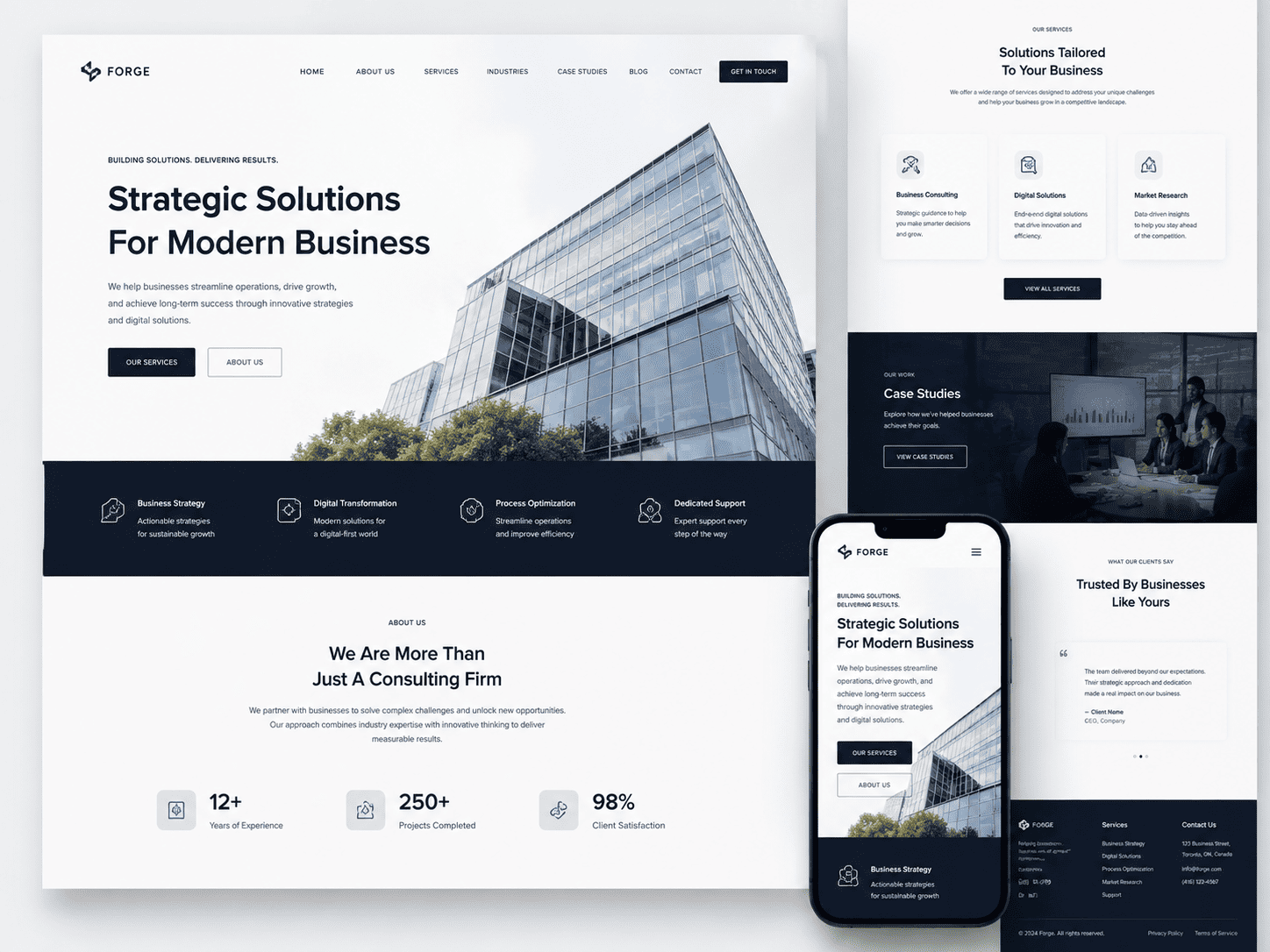
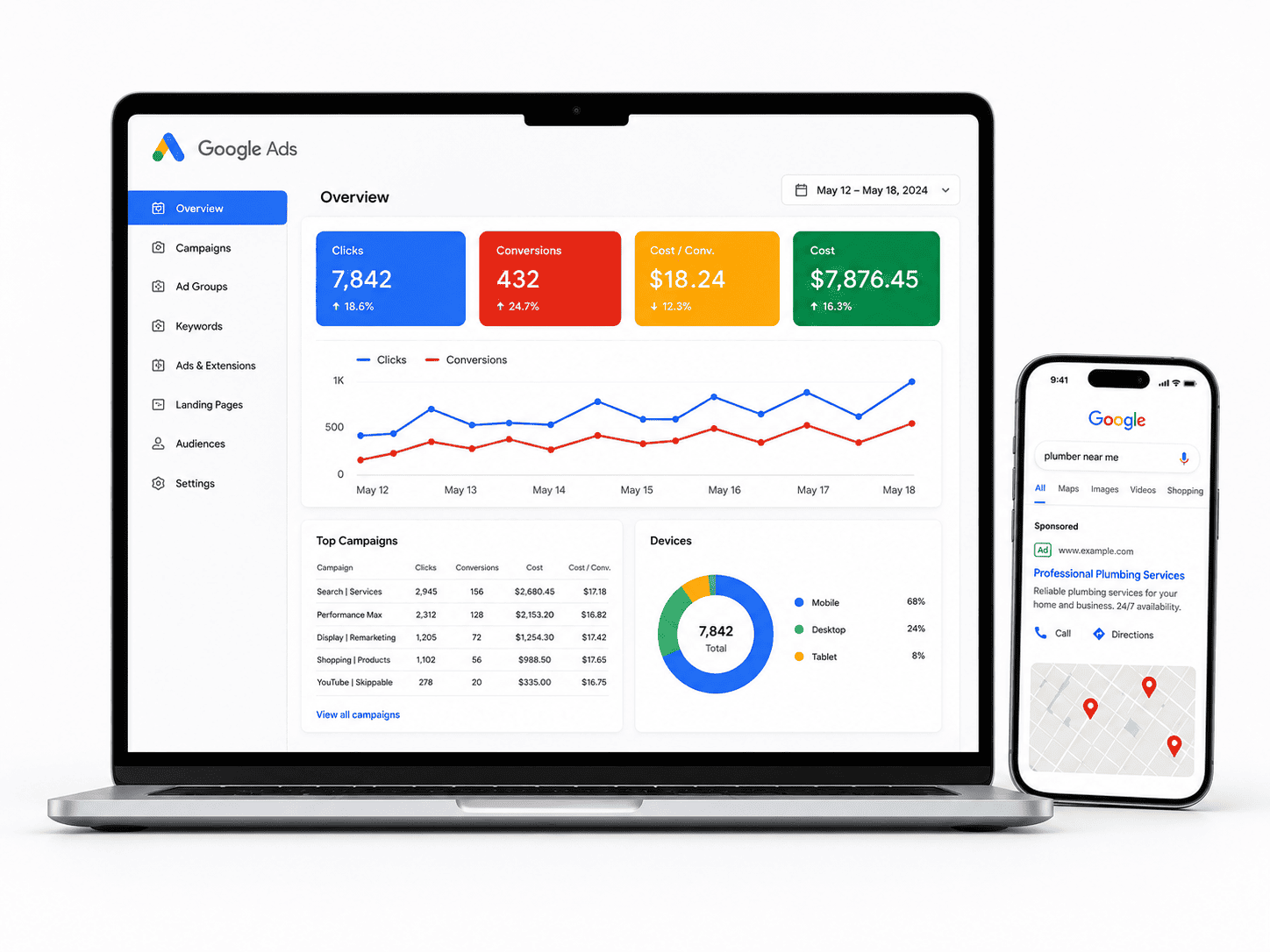


Introduction: Why Edmonton Businesses Need a Strategic Ecommerce Website
Edmonton’s retail landscape has shifted decisively. What was once a convenience offered by a few forward-thinking stores is now a baseline expectation for consumers across the city, from Whyte Avenue boutiques to industrial suppliers in the southeast. A strategic ecommerce website is no longer an optional add-on; it is the digital counterpart to your physical presence, operating 24/7 to capture demand, build customer relationships, and sustain revenue through economic fluctuations. However, simply having an online store is not enough. The difference between a site that merely exists and one that drives measurable growth lies in the strategy behind its design—how it accounts for local buying habits, search behaviour, and the competitive realities of Edmonton’s market.
This article outlines what Edmonton businesses should understand before commissioning an ecommerce build: the strategic groundwork, realistic cost expectations, and the process from discovery to launch. You will learn why a cookie-cutter template or DIY approach often underperforms, and how a tailored strategy positions your brand for long-term success in a city that is rapidly embracing digital commerce.
The Growth of Online Shopping in Edmonton
Edmonton consumers have adopted online shopping at a pace that mirrors national trends, but with distinct local characteristics. The city’s sprawling geography—over 260 square kilometres—means that driving across town for a single purchase is often impractical. This has accelerated demand for home delivery, curbside pickup, and seamless click-and-collect options. Furthermore, the presence of major post-secondary institutions and a young, tech-comfortable demographic has normalized mobile-first purchasing. Local retailers who once relied solely on foot traffic now face a dual reality: their physical store serves as a showroom, while their website must function as a primary sales channel.
Seasonality also plays a role. Edmonton’s harsh winters push many consumers indoors, making online browsing and purchasing a year-round habit rather than a seasonal convenience. For businesses in sectors like apparel, home goods, specialty foods, and professional services, this means a well-designed ecommerce platform can flatten revenue dips and capture spending that would otherwise go to national competitors. The businesses thriving today are those that treat their website as a dynamic asset—updated with local inventory, shipping options tailored to Alberta, and content that speaks directly to Edmontonians’ values, such as supporting local makers and reducing delivery times within the city.
Common Pitfalls of DIY Ecommerce Sites
The appeal of DIY ecommerce platforms is understandable: low upfront cost, quick setup, and no developer required. Yet the hidden costs and limitations often surface within months. One of the most frequent pitfalls is poor search engine visibility. Template-based sites rarely follow Edmonton-specific SEO best practices, such as optimizing for “buy in Edmonton” or creating location-based landing pages. As a result, your site remains invisible when local customers search for your offerings, forcing you into paid advertising just to be found.
Another critical failure is scalability. A DIY site that works for 50 products often collapses under 500. Page load speeds slow, inventory management becomes manual and error-prone, and payment integrations fail to handle peak traffic during holiday sales. Additionally, DIY platforms restrict customization. You may be unable to implement advanced features like real-time shipping quotes from local couriers, membership pricing for wholesale clients, or integration with your point-of-sale system in your physical store. This creates a disjointed customer experience—a customer who buys online but wants to return in-store may face a manual reconciliation process that frustrates both staff and shopper.
Security is a third, often overlooked concern. DIY sites place the burden of maintaining SSL certificates, PCI compliance, and regular updates on you. A single vulnerability can compromise customer data, leading to legal liability and irreparable reputational damage. Finally, the time you spend wrestling with templates, plugins, and broken code is time diverted from running your business. When you calculate the hourly value of your own labour, a “free” website often costs more than a professionally managed build.
How a Strategic Approach Differs from Basic Web Design
Basic <a href=”https://niagaraforge.ca/service/web-design/”>web design focuses on aesthetics—choosing colours, fonts, and layout. A strategic approach begins with questions: Who is your ideal Edmonton customer? What obstacles do they face when buying from you? Which products have the highest margin and deserve prime placement? The answers shape information architecture, user flows, and content hierarchy. For example, a strategic site for a local outdoor gear retailer might prioritize category pages for winter equipment during October, integrate a store locator for “buy online, pick up in store,” and feature customer reviews from University of Alberta students. This level of intentionality cannot be achieved with a generic theme.
Strategy also encompasses performance and analytics. A professional ecommerce build includes setting up conversion tracking, heatmaps, and A/B testing infrastructure from day one. You will know not just how many visitors arrive, but where they drop off, which product pages convert, and how marketing channels contribute to revenue. The design is engineered for speed—compressed images, lazy loading, and a streamlined checkout process that reduces cart abandonment. Moreover, a strategic partner conducts competitive analysis of other Edmonton retailers in your niche, identifying gaps in their user experience that you can exploit. This transforms your website from a passive brochure into an active sales tool that adapts to market changes, seasonal demand, and customer feedback.
Ultimately, the difference is between a website that looks good and one that performs. A strategic ecommerce site is built with a roadmap: launch, measure, iterate. It integrates with your email marketing, loyalty programs, and inventory systems. It is designed to evolve as your business grows, whether that means adding a subscription model, expanding to wholesale, or launching a marketplace for local artisans. In a competitive city like Edmonton, where consumers have countless alternatives, a strategically designed website is your most reliable differentiator—one that pays for itself through increased conversions and customer lifetime value.
Understanding Ecommerce Web Design vs. Traditional Web Design
At first glance, an ecommerce website and a traditional brochure website may appear to share the same foundation: pages, images, and navigation. But beneath the surface, they are fundamentally different projects. A brochure site exists to inform and persuade—its primary job is to present a company’s story, services, or portfolio and encourage a phone call or contact form submission. An ecommerce site, by contrast, is a functional retail environment. It must manage complex product catalogs, process secure payments, calculate taxes and shipping, handle inventory in real time, and recover abandoned carts. These are not decorative features; they are operational requirements that demand specialized architecture, database design, and security protocols. In Edmonton’s competitive market, choosing a designer who only knows how to build static pages will result in a beautiful but broken storefront—one that cannot scale, syncs poorly with point-of-sale systems, or fails during peak traffic. Ecommerce web design requires a developer who understands transactional logic, not just visual aesthetics.
Core Ecommerce Features That Drive Conversions
While a brochure site might convert a visitor into a lead, an ecommerce site must convert a visitor into a paying customer within seconds. That conversion depends on a set of non-negotiable features:
- Streamlined product catalog: Categories, filters (size, colour, price), and search that return relevant results instantly—not a static list of pages.
- One-page checkout: Guest checkout options, minimal form fields, and clear progress indicators. Every extra click reduces completion rates.
- Multiple payment gateways: Integration with Stripe, PayPal, or Canadian-specific processors like Moneris, plus support for Apple Pay and Google Pay.
- Inventory management: Real-time stock levels that automatically hide “out of stock” items or trigger low-stock alerts, preventing overselling.
- Shipping and tax calculators: Dynamic rates based on postal codes (especially important for Edmonton’s local delivery and cross-province shipping) without manual recalculation.
Each of these features requires backend logic that a traditional web designer never touches. For example, a simple product page on a brochure site might be a static HTML file. In ecommerce, it is a template pulling data from a database—and that template must update instantly when a price changes or a variant (like size or colour) is selected. Without this architecture, your site becomes a maintenance nightmare and a conversion killer.
Why User Experience (UX) Is Critical for Online Stores
User experience in ecommerce is not about making the site “nice to use”—it is about removing friction between desire and purchase. A brochure visitor might tolerate a confusing layout if the content is compelling; an online shopper will abandon a site in under three seconds if they cannot find the “Add to Cart” button or if the checkout requires creating an account. In Edmonton, where many shoppers compare prices on their phones while standing in physical stores, your UX must be flawless on mobile. Key UX principles for ecommerce include:
- Clear product photography: Multiple angles, zoom functionality, and lifestyle shots—all optimised for fast loading.
- Persistent cart visibility: A cart icon with a live item count, so users always know their current basket total.
- Logical navigation: Breadcrumbs, prominent search bars, and predictive text—not endless scrolling through categories.
- Error prevention: Inline validation for postal codes, credit card numbers, and email addresses that flags mistakes before the user hits “Pay.”
Consider a practical example: a customer adds a product to their cart, then clicks “Checkout.” On a poorly designed site, they might be forced to create a password, enter 15 fields of billing data, and then discover that shipping is $30. That user leaves. A well-designed ecommerce site would have shown shipping estimates earlier, offered a guest checkout, and auto-filled the city and province from the postal code. The difference is not cosmetic—it is a 20–30% swing in completed purchases, according to common industry benchmarks (though figures vary by niche).
The Role of Visual Design in Building Trust
Visual design in ecommerce does more than look pretty—it signals legitimacy. In a physical store, a customer can touch a product and see the salesperson’s face. Online, they rely on cues: crisp logos, consistent typography, high-resolution images, and a colour scheme that feels professional rather than generic. For Edmonton businesses, this trust factor is amplified by local competition. If your site looks like it was built in 2008, customers will assume your products are outdated or your customer service is unresponsive. Trust-building visual elements include:
- Security badges: SSL certificates, payment icons (Visa, Mastercard, Interac), and “Secure Checkout” messaging displayed near the payment button.
- Clear return policy: A visible link in the footer and on product pages—hiding it makes customers suspicious.
- Consistent branding: Matching colours, fonts, and tone across all pages, from the homepage to the thank-you page.
- Professional product imagery: White backgrounds for consistency, but also contextual photos showing scale or use.
Visual design also affects perceived load time. A site with heavy animations or oversized images will feel slow, even if the server is fast. Optimised images, lazy loading, and a clean layout (with white space, not clutter) communicate competence. In contrast, a traditional brochure site can rely on storytelling and long-form text; an ecommerce site must balance that storytelling with rapid, scannable product presentation. The best Edmonton ecommerce designers know that every pixel either builds confidence or raises doubt—there is no neutral ground.
Key Elements of a High-Performing Ecommerce Website
An effective ecommerce website is not merely a digital catalogue; it is a precision-engineered sales environment. Every component must work in concert to reduce friction, build trust, and guide visitors toward a purchase. Focusing on four core pillars—mobile responsiveness, speed, navigation, and checkout security—creates the foundation for sustained revenue. When these elements are neglected, even superior products fail to convert. Below, we dissect the non-negotiable components and how they directly influence user satisfaction and sales.
Mobile-First Design for On-the-Go Shoppers
Mobile commerce now accounts for the majority of online retail traffic globally. A mobile-first design means your site is built for small screens from the ground up, not merely shrunk to fit. This approach prioritizes thumb-friendly navigation, legible typography without zooming, and touch-responsive elements. For on-the-go shoppers, a clunky mobile experience is an immediate deterrent—they will abandon a site that requires pinch-to-zoom or has buttons too close together.
Beyond layout, mobile-first design affects load speed on cellular networks. Optimized images, deferred JavaScript, and streamlined code are essential. A responsive site adapts to any screen width, but a mobile-first strategy ensures the most constrained experience is the best optimized. The result is lower bounce rates, longer session durations, and a direct increase in add-to-cart actions from smartphone users.
Streamlined Checkout to Reduce Cart Abandonment
Cart abandonment rates hover near 70% for many retailers, and the checkout process is the primary culprit. A high-performing site treats checkout as a single, frictionless mission: capture the sale. This means minimizing form fields, offering guest checkout as a default, and clearly displaying shipping costs and delivery timelines before payment is requested. Fewer distractions—no site navigation or promotional pop-ups—keep the shopper focused.
Security is non-negotiable. Visible trust badges (SSL certificates, payment processor logos) and a progress indicator (Step 1 of 3) reduce anxiety. Additionally, offering multiple payment gateways, including digital wallets like Apple Pay and PayPal, caters to user preference. Each extra field or required account creation step increases abandonment risk by a measurable percentage. A streamlined checkout directly recovers lost revenue without requiring more traffic.
Product Page Best Practices: Images, Descriptions, and CTAs
The product page is where the sale is won or lost. High-resolution images from multiple angles, including lifestyle shots and zoom functionality, replace the physical inspection a shopper cannot perform. Videos demonstrating product use can lift conversion rates significantly. Descriptions must be scannable, benefit-driven, and accurate—avoid generic manufacturer text. Use bullet points for specifications and short paragraphs to explain how the product solves a problem.
The call-to-action (CTA) button must be visually dominant, using contrasting colour and action-oriented text like “Add to Cart” or “Buy Now.” It should remain visible as the user scrolls. Below the CTA, reinforce trust with return policy, warranty, and stock availability. A comparison of key page elements reveals why some sites outperform others:
| Element | Low-Performing Site | High-Performing Site |
|---|---|---|
| Product Images | 2–3 static, low-resolution photos | 6+ high-res images, zoom, 360° view, lifestyle context |
| Description | Paragraph of technical jargon | Bulleted benefits, clear specs, plain language |
| CTA Placement | Below the fold, same colour as background | Above the fold, high-contrast, sticky on scroll |
| Trust Signals | No reviews or policy links | Star ratings, review count, visible returns/shipping info |
Combining these practices creates a page that informs, reassures, and prompts action. When mobile responsiveness, checkout simplicity, and product page clarity are aligned, your ecommerce site becomes a reliable sales asset rather than a passive online brochure. Each element compounds the next: a fast mobile page drives traffic to a clear product page, which feeds into a secure, short checkout—maximizing every visitor’s potential value.
Edmonton-Specific Ecommerce Strategy: Local SEO and Audience Targeting
To compete with national retailers, an Edmonton-based ecommerce store must shift from a generic “sell everywhere” approach to a hyper-local one. National brands rely on scale and price; your advantage lies in relevance and community presence. A tailored strategy for Edmonton means your website speaks directly to local needs, appears in local search results, and offers conveniences that big-box competitors cannot easily replicate. Below are the three pillars of this approach, each designed to increase visibility and conversion among Edmonton shoppers.
Optimizing for ‘Edmonton’ Keywords and Local Searches
Standard SEO targets broad terms like “running shoes” or “organic coffee.” For the Edmonton market, you must layer geographic modifiers throughout your site’s architecture, not just in meta titles. This starts with keyword research using tools like Google Keyword Planner to find phrases with high local intent, such as “same-day delivery Edmonton” or “buy winter boots in Edmonton.” Apply these in:
- Product page titles and descriptions: “Men’s insulated parka – Edmonton winter ready” instead of “Men’s parka.”
- Category pages: Create a dedicated “Edmonton Favourites” category, even if products overlap with other sections.
- URL slugs: Use /edmonton-winter-gear rather than /winter-gear.
- Schema markup: Add LocalBusiness and Product schema with your Edmonton address and service area.
A practical implementation for a store using Shopify or WooCommerce involves editing the robots.txt or adding a geo-targeted sitemap. For example, in your sitemap index, you can note a separate file for local landing pages:
<?xml version="1.0" encoding="UTF-8"?>
<sitemapindex xmlns="http://www.sitemaps.org/schemas/sitemap/0.9">
  <sitemap><loc>https://yourstore.com/sitemap_products.xml</loc></sitemap>
  <sitemap><loc>https://yourstore.com/sitemap_edmonton.xml</loc></sitemap>
</sitemapindex>
This signals to Google that your Edmonton-specific pages deserve separate crawling priority. Also, claim and verify your Google Business Profile, then link it to your product feed for local inventory ads.
Using Local Content and Testimonials to Build Credibility
Edmontonians trust businesses that show they understand the city’s rhythms—from the long winters to the river valley summers. Your ecommerce site should not feel like a faceless storefront. Start a blog or resource section with genuinely useful local content, such as “How to Layer for a -30°C Day in Edmonton” or “Best Dog Parks to Visit After Your Order Arrives.” This content attracts organic traffic from people searching for local advice and demonstrates you are a participant in the community, not just a vendor.
Testimonials are equally powerful when they are specific. A generic “Great product” does little. Instead, collect and display reviews that mention Edmonton context:
- “Ordered on Monday, picked up at the Whyte Ave location Tuesday morning.”
- “The delivery driver called ahead because of the snow—very thoughtful.”
- “Finally a store that stocks gear for the West Edmonton Mall parking lot walk.”
Place these testimonials on your homepage and checkout page. Consider adding a “From Our Edmonton Neighbours” widget that rotates local reviews. Also, partner with local micro-influencers or community groups (e.g., the Edmonton Runners Club) for honest reviews. When you publish a case study or behind-the-scenes post about your local warehouse or team, embed a map showing your location relative to major landmarks like Rogers Place or the University of Alberta. This builds a mental connection that no national chain can forge.
Offering Local Pickup and Delivery: A Competitive Advantage
Shipping from a national warehouse takes three to five days. As an Edmonton business, you can offer same-day or next-day service, which is a decisive factor for many shoppers. Integrate a local pickup option directly into your checkout. Use a plugin like “Local Pickup Plus” for WooCommerce or Shopify’s “Local Delivery” feature to set specific pickup hours and location details. For delivery, define clear zones—for example, central Edmonton, south side, and St. Albert—with different fees or free thresholds.
Here is a simple table to structure your delivery options:
| Zone | Delivery Time | Cost | Minimum Order |
|---|---|---|---|
| Downtown & Central | Same-day (order before 2 PM) | $5.00 | $25 |
| South Edmonton (to Ellerslie) | Next-day | $8.00 | $50 |
| North & West (St. Albert, Spruce Grove) | 2-day | $12.00 | $75 |
| Warehouse Pickup (Nisku) | Within 1 hour | Free | None |
Prominently display a “Pickup in Edmonton – Free” badge near your add-to-cart button. Also, offer an option for curbside pickup with a text message notification when the order is ready. This reduces cart abandonment because Edmonton shoppers know they can get their product immediately without paying expedited shipping. Additionally, you can partner with local courier services like SkipTheDishes’ delivery network or use a service like Fleet Optics for scheduled routes. In your checkout, include a note: “We pack orders in recyclable materials and support the Edmonton Food Bank with every pickup.” This reinforces your local commitment and turns a logistical feature into a brand differentiator.
The Ecommerce Design Process: From Discovery to Launch
A well-executed ecommerce project in Edmonton follows a structured, collaborative path. While timelines vary based on catalog size and feature complexity, most projects span eight to sixteen weeks. Understanding each phase prevents surprises and keeps your expectations aligned with the design team’s workflow.
Discovery and Requirements Gathering
This first phase is the foundation. Your design team will conduct stakeholder interviews, review your current analytics, and analyze your top competitors—both local Edmonton retailers and national players. Expect to provide access to your product data, brand guidelines, and any existing customer personas.
During this stage, the team will define the project’s technical scope: which payment gateways (e.g., Stripe, PayPal, Moneris), shipping integrations (Canada Post, Purolator), and third-party tools (email marketing, ERP, inventory management) need to connect. You will also agree on the primary conversion goals—whether that is average order value, repeat purchases, or lead generation for B2B wholesale.
What you should deliver:
- A prioritized list of must-have features versus nice-to-have items
- Access to your current product spreadsheet or CMS
- Clear answers on who approves content and design decisions
By the end of discovery, you will receive a project roadmap, a sitemap, and a technical specification document. This becomes your reference point for the entire build.
Design Mockups, Revisions, and Approval
With requirements locked, the design team moves into visual and user experience (UX) work. You will first see low-fidelity wireframes—simple layouts showing product grids, navigation, and checkout flow. These are not about aesthetics; they test usability and information architecture. For example, the team will decide whether a mega-menu or a simple dropdown best suits your 200+ SKUs.
After wireframe approval, the high-fidelity mockups follow. These include your brand colours, typography, imagery, and responsive behaviour for mobile and tablet. For an Edmonton business, expect discussions about local context—such as prominent “Free Local Pickup” buttons or seasonal landing pages tied to events like Heritage Festival or the Christmas Market.
Typical revision cycle:
| Design Deliverable | Number of Revisions | Approval Timeframe |
|---|---|---|
| Homepage + category template | Up to 3 rounds | 5–7 business days |
| Product detail + cart + checkout | Up to 3 rounds | 5–7 business days |
| Mobile-specific views | Included in above | 3–5 business days |
Keep feedback consolidated from all stakeholders before sending it to the designer. Scattered comments across emails slow the process. Once you sign off on mockups, the design phase closes—any later visual changes become change orders and incur additional cost.
Development, QA Testing, and Go-Live
This is the longest phase. Developers convert approved designs into a functional storefront, typically on Shopify, WooCommerce, or custom Magento. They build your product templates, configure tax rules for Alberta (no PST, but GST applies), and set up shipping zones for Edmonton, rural Alberta, and nationwide.
During development, you will receive a staging URL—a private link where you can preview the store. Do not treat this as a design review; instead, test the actual buying process. Create a test order, apply a discount code, and try the “forgot password” flow. The development team will run their own quality assurance (QA) checks, including cross-browser testing on Chrome, Safari, and Firefox, plus mobile device testing on iOS and Android.
Go-live checklist you should expect:
- SSL certificate installation and domain DNS update
- Redirect mapping from your old URLs to new ones (critical for SEO)
- Payment gateway sandbox testing followed by live transaction test
- Inventory sync verification between your backend and the storefront
- Analytics and tracking pixel installation (Google Analytics, Meta Pixel)
Launch day is not the finish line. A reputable Edmonton agency will offer post-launch support for at least two weeks to fix any bugs that appear under real traffic. After that, you will likely move to a monthly maintenance plan for updates, backups, and security patches. The entire process works best when you stay responsive during approval phases—every day you delay feedback adds a day to your launch date.
How Much Does Ecommerce Web Design Cost in Edmonton?
Pricing for ecommerce web design in Edmonton is rarely a single flat quote. Instead, you will encounter two primary billing models: hourly rates and project-based pricing. Hourly rates typically range from $75 to $150 per hour for experienced Edmonton agencies or freelance developers, while project-based pricing offers a fixed total for a defined scope of work. The latter is more common for full builds because it protects you from scope creep—provided the contract clearly lists deliverables. Regardless of model, your final invoice will be shaped by the number of products, the complexity of your catalog (e.g., variants, custom attributes), the platform you choose (Shopify, WooCommerce, BigCommerce), and the level of bespoke design versus pre-built themes.
To give you a realistic picture, here is what Edmonton businesses typically pay in 2024–2025, broken down by project tier. These figures include design, development, and basic setup—but exclude monthly subscriptions and third-party fees.
Budget Ranges for Starter, Mid-Range, and Premium Ecommerce Sites
| Project Tier | Typical Cost (CAD) | What You Get | Best For |
|---|---|---|---|
| Starter (Template-Based) | $2,000 – $5,000 | Pre-designed theme (e.g., Shopify theme), minor colour/logo changes, up to 20 products, basic payment gateway, mobile responsiveness. | New sellers testing a niche, small local shops with a limited catalogue. |
| Mid-Range (Hybrid) | $6,000 – $15,000 | Customized theme with bespoke homepage layout, 20–200 products, product filtering, blog, email marketing integration, basic SEO setup, and 2–3 custom features (e.g., product reviews, wishlist). | Growing Edmonton retailers needing brand differentiation without full custom code. |
| Premium (Fully Custom) | $18,000 – $50,000+ | Tailored design from scratch, headless or enterprise architecture, custom integrations (ERP, CRM, POS), advanced search, multi-currency, subscription logic, and performance optimization. | Established brands, multi-store operations, or businesses with complex fulfillment rules. |
Note that these ranges assume you supply your own product photography and copy. If you need professional photography, copywriting, or inventory migration, add 10–20% to the total.
Hidden Costs: Plugins, Payments, Hosting, and Maintenance
Many Edmonton business owners focus only on the design quote and miss recurring or one-off expenses that surface after launch. Plan for these:
- Plugins/Apps: Shopify apps or WooCommerce plugins often charge $10–$200/month each. Common necessities—abandoned cart recovery, loyalty programs, advanced shipping calculators—can add $50–$300/month total.
- Payment processing: Stripe, PayPal, or Moneris charge 2.5%–3.5% per transaction plus a flat fee (e.g., $0.30). For a $100,000 annual revenue store, that is $2,500–$3,500 in fees alone.
- Hosting & domain: Shared hosting ($10–$25/month) is insufficient for ecommerce. Expect $30–$150/month for managed WooCommerce hosting or Shopify’s $39–$399/month plans. SSL certificates are often included but verify this.
- Maintenance & updates: Security patches, plugin updates, and daily backups cost $150–$500/month if outsourced in Edmonton. Skipping this risks downtime or data loss.
- Compliance: If you collect customer data, you may need a privacy policy and cookie consent tool ($0–$20/month). For businesses selling to the EU, GDPR compliance tools can be pricier.
A practical example: A mid-range $10,000 build on WooCommerce will likely require $80/month for managed hosting, $60/month for premium plugins, and $250/month for maintenance—totalling roughly $390/month in ongoing costs. Over two years, that adds $9,360 to your initial investment. Always ask your Edmonton web designer for a written annual cost projection before signing.
Why Cheaper Isn’t Always Better: ROI Considerations
Choosing the lowest bidder for ecommerce web design in Edmonton often leads to higher long-term costs. A $2,000 template site might seem attractive, but if it loads slowly (over 4 seconds), has poor mobile navigation, or lacks proper checkout security, your conversion rate will suffer. Consider the math: if your average order value is $80 and your site converts at 1.5%, you need roughly 833 visitors per month to make $1,000 in sales. A professionally optimized site that converts at 3%—a realistic improvement from better UX and faster load times—needs only 417 visitors for the same revenue. That means you can spend less on advertising to achieve the same result.
Moreover, cheap builds often cut corners on SEO structure, schema markup, and server response times. Fixing these later costs double because you must pay for redevelopment plus lost ranking momentum. In Edmonton’s competitive local market—where customers compare you directly against national chains—a slow or broken checkout is a silent killer. Instead of asking “What’s the lowest quote?” ask “What is the projected payback period?” A $15,000 site that increases your monthly profit by $1,000 pays for itself in 15 months. A $5,000 site that fails to convert may never pay back. Always request case studies with conversion data from local Edmonton agencies, and verify that your contract includes post-launch analytics review to measure real ROI.
Choosing the Right Ecommerce Platform for Your Edmonton Business
Your platform is the foundation of your online store. It determines how easily you can manage products, process payments, and scale as your Edmonton business grows. The right choice balances your technical comfort, budget, and long-term goals—not just the flashiest features. Below is a practical comparison of the most common options, followed by guidance to help you decide.
Shopify: The All-in-One Solution for Quick Launches
Shopify dominates for a reason: it removes nearly all technical barriers. You get hosting, security, payment processing, and a vast app marketplace in one monthly subscription. For Edmonton retailers who want to launch within weeks—not months—this is the fastest path.
- Ease of use: Drag-and-drop builder, no coding required. You can manage inventory, orders, and discounts from one dashboard.
- Scalability: Handles high traffic well, but app costs grow as you add features. Monthly fees range from $29 to $299 CAD, plus transaction fees unless you use Shopify Payments.
- Suitability: Ideal for small to mid-sized stores, fashion, beauty, or specialty products where speed and simplicity matter more than deep customization.
Watch out for: limited control over checkout customization, and recurring app fees can silently inflate your monthly costs.
WooCommerce: Flexibility and Control on WordPress
If you already use WordPress or need complete ownership of your data, WooCommerce is the flexible alternative. It’s a free plugin that turns your WordPress site into a store, but you pay separately for hosting, domain, security, and premium extensions.
- Ease of use: Moderate learning curve. You must manage updates, backups, and caching yourself, but the admin interface is familiar to WordPress users.
- Scalability: Excellent for content-heavy stores, blogs, or businesses that want unique product types. You can customize every file, but this requires developer help.
- Cost: Initial setup can be cheap ($10–$30/month hosting), but custom themes and plugins often cost more than Shopify’s subscription over time.
Best for: Edmonton businesses that already rely on WordPress, sell digital products, or need bespoke functionality like membership tiers or complex shipping rules.
Custom Development: When It’s Worth the Investment
Custom builds involve hiring developers to create a store from scratch, often using frameworks like Laravel or React. This is the most expensive and time-consuming route, but it offers unmatched control.
| Factor | Custom Development | Shopify / WooCommerce |
|---|---|---|
| Initial cost | $20,000–$100,000+ CAD | $500–$5,000 setup (plus ongoing fees) |
| Timeline | 3–6 months | 2–8 weeks |
| Flexibility | Total: any feature, integration, or workflow | Limited by platform or plugin constraints |
| Maintenance | Requires ongoing developer support | Managed or community-supported |
Consider custom development only if you have unique operational needs—like integrating with legacy ERP systems, selling highly configurable products, or expecting massive transaction volumes where platform fees become prohibitive. For most Edmonton startups and established retailers, a custom build is overkill and risky.
How to choose: Start with your end goal. If you want to test a product quickly, choose Shopify. If you need content marketing and blog integration, WooCommerce. If you have a six-figure budget and complex logistics, then explore custom. Also, consider your team’s technical skill—hiring an Edmonton developer for ongoing WooCommerce tweaks can cost $75–$150/hour, while Shopify’s support handles most issues for you. Finally, project your sales volume: platforms charge transaction fees, so calculate those against your average order value. A clear decision today prevents a costly migration next year.
Working with an Edmonton Ecommerce Web Design Agency: What to Expect
Choosing to partner with a professional ecommerce web design agency in Edmonton is a significant investment in your business’s digital future. Unlike using a template builder or hiring a freelance generalist, a dedicated agency brings a structured process, specialized expertise, and accountability. To get the most value, you need to understand how the collaboration works from kickoff to launch. Here is a realistic look at the journey, so you can prepare your team and budget accordingly.
Initial Consultation and Proposal Process
Your engagement typically begins with a discovery call or an in-person meeting at the agency’s office. This is not a sales pitch; it is a two-way diagnostic. The agency will ask about your product catalogue size, current sales channels, target customer demographics, and integration needs (e.g., ERP, CRM, or shipping software). You should come prepared with your business goals—whether that is increasing average order value, reducing cart abandonment, or launching into a new market.
Following that conversation, you will receive a written proposal. A credible Edmonton agency will not quote a flat price on the spot. Instead, the proposal will include:
- Scope of work: A detailed list of pages, features, and integrations.
- Proposed timeline: Phases from wireframing to post-launch support.
- Cost breakdown: Design, development, third-party licenses, and project management fees.
- Assumptions: What is included and, crucially, what is not (e.g., content writing, stock photography, or ongoing SEO).
Expect this stage to take one to two weeks. A professional agency will also provide a clear contract that defines payment milestones (typically 30-50% deposit, then progress payments) and intellectual property ownership. If a proposal lacks specificity about deliverables, treat that as a red flag.
Project Timelines: How Long Does It Really Take?
Many Edmonton retailers underestimate the time required for custom ecommerce work. A basic Shopify or WooCommerce store with 20 products and a standard theme can take 4 to 6 weeks. However, a fully custom design with 500+ SKUs, complex product variants, custom filtering, and integrations with accounting or inventory systems will realistically take 10 to 14 weeks. The timeline depends heavily on your content readiness and decision speed.
Here is a realistic breakdown of a typical 10-week project:
| Project Phase | Typical Duration | Key Deliverables |
|---|---|---|
| Discovery & UX Architecture | 1–2 weeks | Sitemap, user flows, wireframes |
| Visual Design | 2–3 weeks | Homepage, product page, checkout mockups |
| Development & Integration | 3–4 weeks | Working store, payment gateways, shipping rates |
| Content Migration & Testing | 1–2 weeks | Product imports, QA on all devices |
| Launch & Training | 1 week | Go-live, admin training, handover |
Be wary of any agency promising a full custom build in under three weeks. Rushed timelines often lead to technical debt and missed user experience details that cost more to fix after launch.
Communication and Milestones: Staying on Track
Professional Edmonton agencies operate on a transparent communication cadence. You should expect a dedicated project manager—not just a salesperson—who will schedule weekly status calls or video meetings. Between calls, you will have access to a shared project management tool (e.g., Asana, Trello, or Basecamp) where you can comment on deliverables and track progress against the scope.
Milestones are contractual checkpoints, not just calendar dates. Each milestone (e.g., “Approved homepage design” or “Staging site ready for testing”) requires your sign-off before the next phase begins. This protects both parties: you can course-correct early, and the agency avoids redoing work based on late feedback. Plan to allocate at least 3–5 hours per week for reviews and approvals from your side. Delays in your feedback are the single most common reason projects slip.
Working with a local Edmonton agency also means you can schedule in-person workshops for complex decisions, like tax configuration or shipping zone logic for Alberta and rest-of-Canada deliveries. You benefit from face-to-face problem solving and an agency that understands local logistics, such as integrating with Canada Post or regional couriers. Ultimately, a clear contract, realistic timeline, and structured communication will transform a complex project into a manageable, successful launch—and a long-term digital asset for your business.
Post-Launch: Ongoing Optimization and Growth Strategies
Launching your Edmonton ecommerce store is not the finish line—it’s the starting point. A website is a living asset that requires continuous care, data-driven decisions, and iterative improvements. Without a structured post-launch strategy, even the most polished design will stagnate, losing ground to competitors who actively refine their user experience. The goal is to turn first-time visitors into loyal customers through a cycle of measurement, hypothesis, and testing.
Using Analytics to Understand Customer Behavior
Raw traffic numbers tell you little. You need to understand *how* users move through your store, where they hesitate, and why they abandon carts. Start by configuring Google Analytics 4 (GA4) with ecommerce events—view_item, add_to_cart, begin_checkout, and purchase. Beyond basic metrics, focus on these behavioral insights:
- Session recordings and heatmaps: Tools like Hotjar or Microsoft Clarity reveal click patterns, scroll depth, and rage clicks. You’ll see if users miss your “Add to Cart” button or struggle with mobile navigation.
- Funnel visualization: Identify the step where drop-off is highest. Is it the product page, shipping calculation, or payment form? Each drop-off point is a problem to solve.
- Cohort analysis: Track repeat purchase rates over time. If your 90-day cohort retention is below 20%, your post-purchase engagement or product quality may need attention.
- Search queries on-site: The internal search bar is a goldmine. If users frequently search for “free shipping” or “size guide,” those terms should be visible on your home or product pages.
Set up a weekly 30-minute review of these metrics. Do not act on every anomaly—look for patterns over two to three weeks before making changes.
Conversion Rate Optimization (CRO) Tactics for Ecommerce
CRO is about removing friction and amplifying trust. Every element on your page either helps or hurts your conversion rate. Start with these proven tactics, but remember to test one variable at a time.
| Area | Common Issue | Actionable Fix |
|---|---|---|
| Product pages | Low add-to-cart rate | Add high-resolution zoom images, customer photos, and a sticky “Add to Cart” bar on mobile. |
| Checkout flow | Form abandonment | Remove mandatory account creation; offer guest checkout with a progress indicator. |
| Trust signals | Uncertainty about shipping | Place a clear shipping and return policy link near the cart total, not just in the footer. |
| Cart abandonment | No follow-up | Send an email within 2 hours offering a small incentive (e.g., free shipping) to complete the purchase. |
For A/B testing, use a tool like Google Optimize (or a paid solution like VWO). A simple example: test whether changing your “Buy Now” button from green to orange increases clicks. Run the test for at least 1,000 total visitors per variant to ensure statistical significance. If you use a server-side rendering framework like Next.js, you can implement a simple redirect-based experiment:
// Middleware example for A/B testing (Next.js)
export function middleware(request) {
  const url = request.nextUrl.clone();
  const isTestGroup = Math.random() < 0.5;
  if (url.pathname === '/product-page' && isTestGroup) {
    url.pathname = '/product-page-variant-b';
    return NextResponse.redirect(url);
  }
  return NextResponse.next();
}
When to Invest in a Redesign or New Features
Not every issue requires a full redesign. Use a decision framework based on data and business impact. Consider a redesign only when one or more of these conditions are true:
- Mobile conversion is below 1% while desktop exceeds 2.5%—your responsive design is failing.
- Page load time exceeds 4 seconds on 3G or mid-range mobile devices, causing a 30%+ bounce rate.
- Your platform limits necessary features, such as subscription billing or multi-currency support, and workarounds are fragile.
- Brand positioning has shifted (e.g., moving from budget to premium) and the visual design no longer communicates your value.
For new features, prioritize based on the ICE framework (Impact, Confidence, Ease). A simple feature like adding a “Recently Viewed” carousel often yields higher ROI than a complex loyalty program. Before building anything custom, check if your ecommerce platform (Shopify, WooCommerce, Magento) has an existing plugin that covers 80% of your needs. Only invest in custom development when the plugin fails to meet critical business logic or security requirements. Schedule a quarterly review to reassess your roadmap, and always measure the impact of any change against your baseline conversion rate from the previous quarter. A website that evolves with customer expectations is the only way to sustain growth in Edmonton’s competitive ecommerce landscape.
Frequently Asked Questions About Ecommerce Web Design in Edmonton
Before investing in a new online store, Edmonton business owners typically have several practical concerns. Below, we address the most common questions about budget, timelines, DIY feasibility, SEO expectations, and long-term care—so you can move forward with clarity.
Can I Build an Ecommerce Site Myself for Less?
Technically, yes—you can use platforms like Shopify, WooCommerce, or Squarespace to launch a basic store for under $50 per month in subscription fees. However, “less” is misleading once you account for your time, design quality, and hidden costs.
Consider what a DIY build actually involves:
- Theme customization: Free themes often look generic. Premium themes cost $100–$300, and customizing them still requires coding knowledge.
- Product setup: Uploading hundreds of products, writing descriptions, and formatting images easily takes 40–80 hours.
- Payment and shipping setup: Configuring tax rules, payment gateways, and shipping zones for Alberta and cross-border sales is error-prone without experience.
- Ongoing fixes: Broken links, plugin conflicts, and mobile issues will eat your evenings.
When you value your time at even $30/hour, a DIY store costs $1,200–$2,400 in labour alone—before you add paid apps and plugins. A professional Edmonton agency typically charges $5,000–$15,000 for a custom ecommerce build, which includes UX strategy, conversion optimization, and testing. For most merchants, the professional route pays off through fewer mistakes and higher sales.
How Long Does It Take to See Results from SEO?
SEO is a long-term investment, not a quick fix. In Edmonton’s competitive retail landscape, you should expect a 4-to-6-month runway before meaningful organic traffic appears, with significant results at 9–12 months.
Here’s a realistic timeline based on your site’s starting point:
| Phase | Typical Duration | What You’ll Notice |
|---|---|---|
| Technical fixes & indexation | Weeks 1–4 | Search engines crawl your pages; minor ranking shifts for branded terms. |
| Content & keyword optimization | Weeks 4–12 | Pages begin ranking for long-tail keywords (e.g., “leather boots Edmonton”). |
| Authority building & local SEO | Months 3–6 | Steady traffic growth; Google Business Profile gains traction. |
| Compounding results | Months 6–12 | Rankings for head terms; organic revenue becomes predictable. |
Patience is essential. If an agency promises “#1 rankings in 30 days,” treat that as a red flag. Instead, ask for a quarterly reporting plan that tracks keyword positions, click-through rates, and conversion value—not vanity metrics like page views alone.
What Ongoing Support and Maintenance Do I Need?
An ecommerce site is never “finished.” After launch, you’ll need three categories of ongoing care:
- Technical maintenance (monthly): Security patches, plugin updates, SSL certificate renewal, and backup verification. Skipping these risks downtime or data breaches—especially on WooCommerce sites.
- Content updates (as needed): New product launches, seasonal promotions, blog posts, and updating shipping or return policies.
- Performance monitoring (quarterly): Reviewing page speed, fixing broken checkout flows, and analysing abandoned cart data.
Most Edmonton agencies offer monthly maintenance plans ranging from $150–$500 per month, depending on your platform and complexity. A basic retainer typically includes:
- Weekly offsite backups (stored for 30 days)
- Core updates for your CMS, plugins, and theme
- Uptime monitoring with emergency response
- One or two small content changes per month
- Quarterly performance report with recommendations
If you skip maintenance, a single security breach or plugin conflict can cost more in lost sales and recovery fees than a year of retainers. Budget for this from day one—it’s not optional for a serious storefront.
Frequently Asked Questions
How much does ecommerce web design cost in Edmonton?
Ecommerce web design costs in Edmonton typically range from $3,000 to $15,000 for a basic store, while more complex projects with custom features can exceed $30,000. Costs depend on the number of products, design complexity, platform choice, and additional features like payment gateways or integrations. Ongoing monthly expenses include hosting, domain, maintenance, and marketing. Get itemized quotes from multiple agencies to compare.
What is the typical timeline for an ecommerce website project in Edmonton?
A standard ecommerce website project in Edmonton usually takes 6 to 12 weeks from discovery to launch. Simple template-based builds might be done in 4 weeks, while custom designs with extensive integrations can take 4-6 months. The timeline includes planning, design, development, content creation, testing, and training. Clear communication and timely feedback from your side can prevent delays.
Should I choose Shopify or WooCommerce for my Edmonton ecommerce store?
Choose Shopify if you want a hosted, turnkey solution with built-in security, fast setup, and low technical maintenance. It’s ideal for small to medium stores. Choose WooCommerce if you need full customization, already use WordPress, or want to avoid monthly subscriptions. WooCommerce offers more flexibility but requires you to manage hosting, security, and updates. Both are solid; your choice depends on your budget, technical skills, and growth plans.
What essential features should an Edmonton ecommerce website have?
Essential features include a responsive design that works on mobile, secure payment gateways (like PayPal, Stripe), user-friendly navigation with search and filters, product pages with high-quality images and descriptions, shopping cart and checkout optimization, order tracking, customer accounts, and SSL security. Also include analytics, SEO-friendly URLs, and fast loading speeds to improve user experience and conversions.
How can I make my Edmonton ecommerce website stand out locally?
To stand out locally, incorporate Edmonton-specific elements: use local imagery, mention local landmarks or neighbourhoods, offer local pickup or delivery, include customer testimonials from Edmonton, and optimize for ‘near me’ searches. Also, build local SEO with Google Business Profile, create content about Edmonton events or news, and engage with local social media communities. Personalizing the experience for Edmonton shoppers builds trust and loyalty.
What SEO strategies are important for Edmonton ecommerce websites?
Key SEO strategies include keyword research targeting local terms like ‘buy in Edmonton’, on-page optimization (title tags, meta descriptions, header tags), fast page speed, mobile-friendliness, secure HTTPS, and structured data for products. Build high-quality backlinks from local business directories and Edmonton blogs. Also, create helpful content answering local questions, and ensure your site is indexed properly in Google Search Console.
What should I expect during the ecommerce web design process in Edmonton?
Expect a structured process: initial discovery and strategy, sitemap and wireframe creation, visual design, development, content integration, testing, and launch. You’ll have regular meetings with your designer/developer, review drafts, and provide feedback. After launch, you’ll receive training and ongoing support. Be prepared to make decisions about your brand, products, and functionality. Good communication ensures a smooth process.
How do I choose the right ecommerce web designer in Edmonton?
Look for a designer with a strong portfolio of ecommerce sites, especially in your industry. Check client testimonials and case studies. Ask about their experience with your preferred platform (Shopify, WooCommerce, etc.) and request references. Ensure they understand SEO, user experience, and conversion optimization. Also, compare pricing and timelines, and choose someone who communicates clearly and offers post-launch support.
Sources and further reading
- Statistics Canada: E-commerce sales
- Shopify Pricing
- WooCommerce Official Site
- Google: Mobile-Friendly Test
- Google PageSpeed Insights
- W3C: Web Content Accessibility Guidelines (WCAG)
- Alberta Government: Consumer Protection
- Edmonton Public Library: Business Resources
- Edmonton Chamber of Commerce
- PayPal: Online Payment Solutions
Need help with this topic?
Send us your details and we will contact you.